

Mulch does more than make common areas look tidy. It regulates soil temperature, retains moisture, and suppresses weeds around trees, entryways, and clubhouse landscaping. But HOA boards often get this wrong in one of two ways: replacing it too often (wasting reserve funds) or letting it go too long (inviting weeds, fungus, and erosion complaints from residents).
The general rule: most HOA properties need a fresh mulch application once per year, with a light "refresh" or top-dressing in high-visibility areas mid-season if it fades or breaks down faster than expected.
Factors that change the timeline:
Mulch type. Shredded hardwood breaks down faster (annual replacement) than pine bark nuggets or rubber mulch, which can often stretch to 18 to 24 months.
Sun exposure. Mulch beds in full Texas sun fade and decompose faster than shaded beds.
Irrigation. Overwatered beds break down mulch quicker and are more prone to fungal growth.
Visibility. Entrance monuments, clubhouse beds, and pool areas usually warrant fresher mulch than beds along a back fence line.
Budgeting tip for boards: Rather than a blanket annual replacement across the entire property, many HOAs save money by tiering it. Full replacement goes in high-visibility zones annually, with a 2-year cycle and spot touch-ups elsewhere. A good landscape contractor can walk the property with the board once a year and recommend where money is best spent.
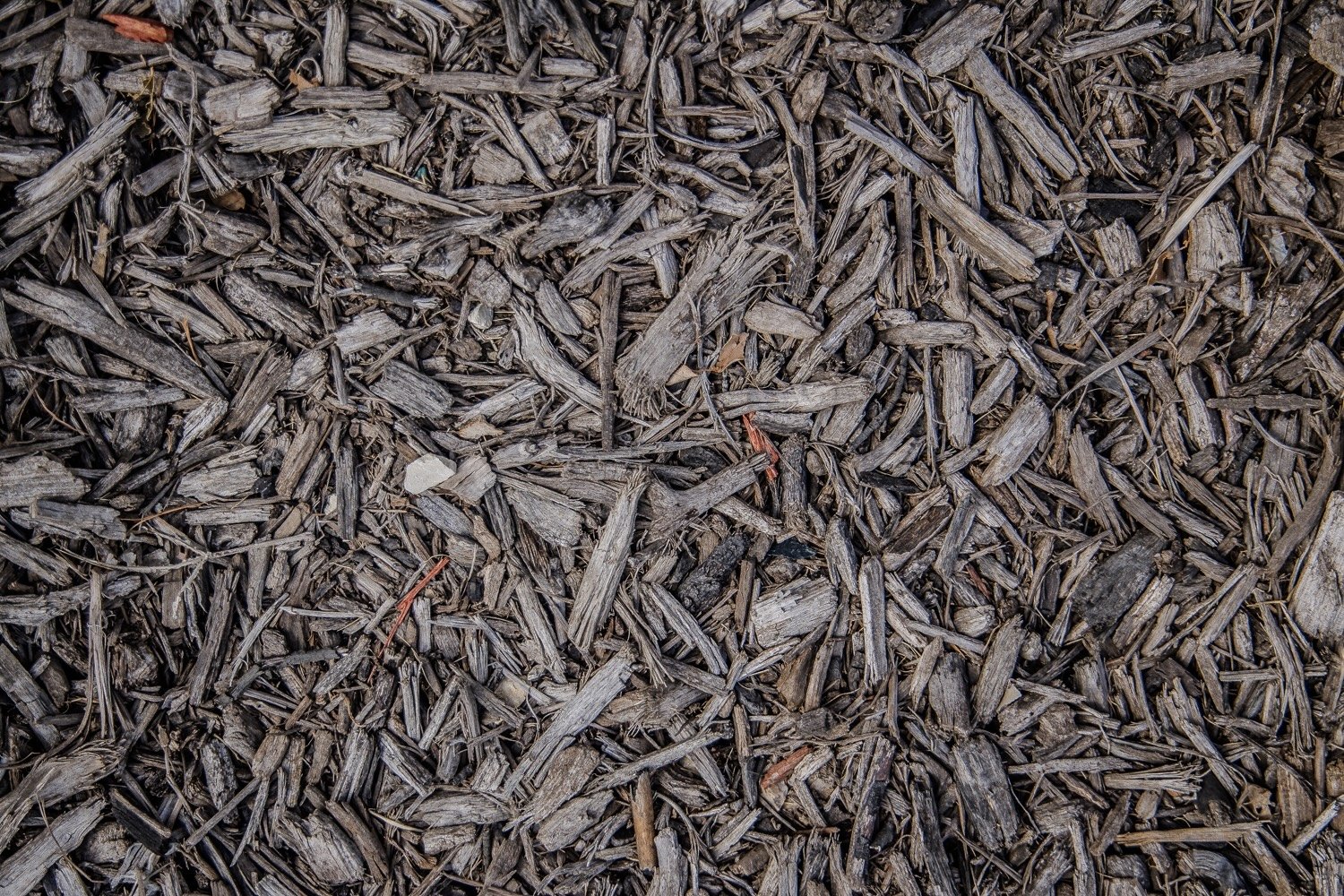
Signs it's time regardless of the calendar: graying or silvering color, mulch that's compacted into a crust, visible weed breakthrough, or mulch washed away from recent storms.
If your HOA's landscape contractor isn't proactively flagging these issues before they become resident complaints, that's worth a conversation. A good partner treats mulch as part of an annual maintenance plan, not a reactive fix.
